
Spa Massage vs. Medical Massage Therapy: A Comprehensive Comparison
The Evolving Landscape of Massage Therapy
Once upon a time, massage was just for robe-wrapped luxury. Now? It’s legit healthcare.
Massage therapy has made the leap from “pamper day” to “treatment plan”—and for good reason. These days, 86% of folks consider massage part of their health routine, not just a way to zone out for an hour. (amtamassage.org) People are turning to it for pain relief, injury recovery, stress reduction, and straight-up better performance—not just cucumber water and mood music.
The Big Split: Spa Massage vs. Medical Massage
That shift has sparked a clear split in the industry: spa massage vs. medical massage.
Spoiler alert: they’re not the same.
Here in Tulsa, people from desk warriors to marathoners are asking the big question—
“Do I need a chill-out session or a fix-it approach?”
Spa Massage: The Relaxation Route
Spa massage is designed for relaxation. Think dim lights, soft music, and a full-body sigh of relief. It feels great, and sometimes that’s exactly what you need.
But it’s not built to address complex pain, old injuries, or movement issues. It’s more “feel-good” than “functional fix.”
Medical Massage: Your Body’s New Best Friend
Medical massage (our lane) is a different beast. It’s targeted, strategic, and tailored to your body’s needs.
Whether you’re battling chronic pain, post-injury tension, or that weird shoulder thing that flares up every time you lift groceries—we’re here to figure it out and fix it. Medical massage works hand-in-hand with healthcare goals, and it’s about real, lasting results.
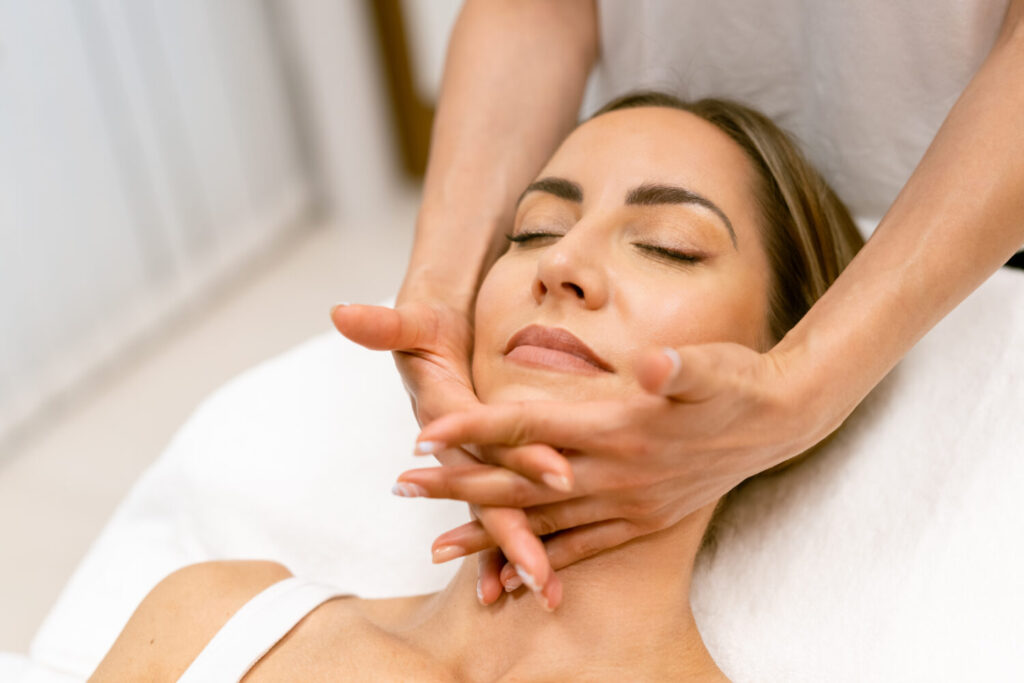
Spa vs. Medical Massage: What’s the Real Difference?
Let’s clear up the confusion: not all massages are created equal. If you’ve ever wondered whether you need soft music and a nap, or targeted work that actually tackles your pain—this one’s for you.
Here’s a quick-hit comparison of spa massage vs. medical (outcome-driven) massage, so you can make the right call for your body, your goals, and your sanity:
🔍 Key Differences at a Glance
| Category | Spa Massage | Medical/Outcome-Driven Massage |
|---|---|---|
| Primary Purpose & Goals | Stress relief, chill vibes, and general “feel good” maintenance. | Pain relief, injury rehab, and real functional improvement. It’s goal-based, not just good vibes. |
| Therapist Qualifications | Licensed Massage Therapist (LMT) with general training—think Swedish, hot stone, aromatherapy. | LMT with clinical credentials: think medical massage, neuromuscular therapy, sports rehab. Big brain, big results. |
| Techniques & Modalities | Light-to-medium pressure, relaxation-focused—designed to soothe, not solve. | Deep tissue, trigger point, myofascial, sports massage, stretching—designed to assess, treat, and fix. |
| Setting & Environment | Calming spa setting. Candles, music, robes. You know the drill. | Clean, calm clinical space. No fluff, just real results. Often inside health clinics or wellness centers. |
| Session Customization | Mostly standardized with a little customization (e.g., “more pressure, please”). | Hyper-personalized. Each session is based on what your body actually needs that day. Progress is tracked. |
| Integration with Healthcare | Standalone self-care. No doctor’s note needed. | Can be part of a healthcare plan. Sometimes prescribed. Often works alongside PTs, chiros, or MDs. |
| Cost & Insurance | Usually out-of-pocket. Not covered by insurance. Tips expected. | Often HSA/FSA-eligible. Very rarely covered by insurance. Tips Expected (Unless otherwise specified) |
| Expected Outcomes & Follow-Up | Instant relaxation, short-term relief, mood boost. Come back when you feel like it. | Real progress in pain, movement, or recovery. Scheduled follow-ups. Homework may include stretches or rehab. |
Purpose & Treatment Goals: Chill or Change?
At the heart of it, spa and medical massage are playing two different games.
Spa massage is all about feeling good right now.
It’s your go-to for stress relief, a reset after a chaotic week, or some well-deserved “me time.” The focus? Comfort, calm, and a blissed-out brain. You walk in tense and walk out floating. It’s wellness with a side of pampering.
Medical massage, on the other hand, isn’t just trying to make you feel good—it’s trying to make you better.
It’s treatment with a mission. Whether it’s chronic pain, post-surgical tension, limited range of motion, or that nagging shoulder that won’t quit, medical massage zeroes in on the issue and works to fix it. Every session has a goal—and no, that goal isn’t “total Zen.” It’s more like:
Reduce inflammation
Improve joint function
Break up scar tissue
Get you moving pain-free again
One key difference? The question your therapist asks.
Spa massage: “What would feel nice today?”
Medical massage: “What problem are we working on?”
Spa therapists aim to maximize comfort—think cozy pressure, peaceful vibes, and general relaxation. Medical massage therapists might spend an entire session on one gnarly shoulder, because restoring function > full-body fluff.
Examples:
A spa massage might help drop your stress hormones and give you a sweet, serene hour of peace.
A medical massage might loosen up your IT band so your knee stops barking every time you run—or break up post-op adhesions to get your range of motion back.
And sure, the lines can blur. Spa massages can have health benefits. Medical massages can feel relaxing. Both are valid, both are valuable. But the difference is intent—and at MMoT, we’re in the business of solving problems, not just soothing them.
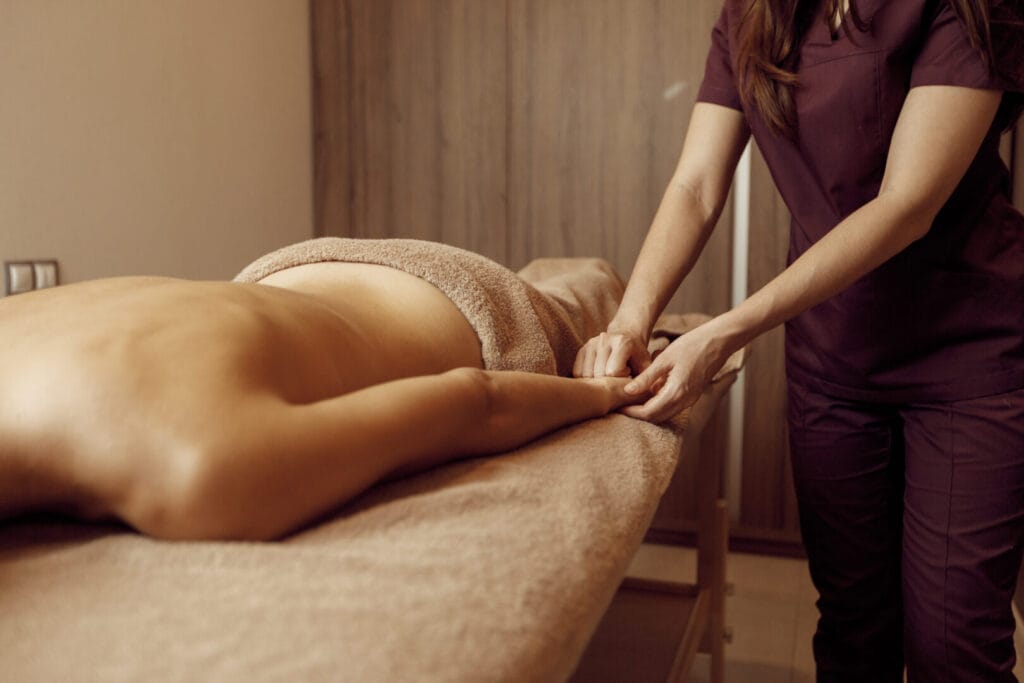
Therapist Qualifications & Licensing: Who’s Really Got Your Back?
Whether you’re stepping into a spa or a clinical massage studio, you should be working with a licensed massage therapist (LMT). No exceptions.
In Oklahoma—and most of the U.S.—massage therapists are required to complete at least 500 hours of formal education and pass a national licensing exam (like the MBLEx) to legally practice. They also have to carry liability insurance and complete continuing education to keep that license active.
So yes, every LMT knows their anatomy basics, safe techniques, and how to keep you from walking out worse than you walked in.
But here’s where it gets interesting:
Spa massage therapists usually focus their post-licensing training on the relaxation side of things—
Think aromatherapy, hot stones, Swedish massage, and that whole serene, spa-life vibe. Their skillset leans into comfort and client experience, with some added wellness knowledge sprinkled in.
Medical massage therapists, though? Different level.
These pros chase advanced clinical training beyond the basics. We’re talking deeper dives into neuromuscular therapy, pain science, orthopedic assessment, and condition-specific work. You’ll often see extra credentials behind their names—like CNMT (Certified Neuromuscular Massage Therapist) or MMT (Master or Medical Massage Therapist). That means they’ve put in the time to study how to treat real issues, from post-op shoulder stiffness to nerve entrapments and fibromyalgia.
Take our team at Medical Massage of Tulsa, for example:
Derek Morrow, LMT has more than a decade of experience with deep tissue massage, and serious knowledge of musculoskeletal anatomy.
Courtney Butler, MMT, CNMT brings deep expertise in trigger point therapy and clinical massage techniques that actually move the needle on pain and performance.
What sets medical therapists apart?
They know how to work with referrals from doctors and chiropractors
They understand medical terminology and documentation
They’re trained to safely treat complex conditions—not just rub around them
To be clear: spa therapists are absolutely skilled—but their lane is relaxation.
Medical massage therapists are built for rehab, recovery, and real results.
When Massage Meets Medicine: How Medical Massage Integrates with Healthcare
Spa vs. Medical Massage: Not the Same Game
Let’s clear this up right away — spa massage and medical massage play on two very different fields. Booking a spa massage? Easy. Pick your time, show up, and enjoy. No doctor, no prescriptions, no paperwork. You might casually mention a sore shoulder, but that’s about as clinical as it gets.
Medical massage? That’s a whole different ballgame. Often, it’s connected directly to your healthcare journey. You might have a doctor’s referral for muscle spasms, whiplash, or chronic pain. Insurance might be involved. Notes and reports will definitely be involved. Bottom line: it’s serious care, not just self-care.
Teamwork Makes the Healing Work
Collaborating with Healthcare Providers
Medical massage is not a solo act. Therapists often coordinate with:
Physicians (to address specific medical concerns)
Physical Therapists (to complement rehab exercises)
Chiropractors (to ease tight muscles affecting alignment)
Surgeons (to improve post-op mobility)
This isn’t casual chat. It’s real, clinical collaboration that helps speed up recovery and keeps everyone in the loop about your progress.
Real Notes, Real Records
Unlike spa massages that might just jot down your favorite pressure level, medical massage therapists chart everything:
Initial assessments
Session outcomes
Treatment plans
Referrals and collaborations
This is part of your health record and can be shared with your permission to keep your care team aligned.
What to Expect: Outcomes and Follow-Up from Medical Massage vs. Spa Massage
Setting the Right Expectations
Not all massages are created equal—and that’s a good thing. Spa massage and medical massage serve different purposes, so your results (and next steps) will look pretty different depending on which path you take. Let’s break it down.
Spa Massage: The Ultimate Reset Button
What You Get
After a spa massage, expect to float out the door feeling relaxed, loose, and maybe even a little dreamy. Benefits include:
Looser muscles
Lower stress levels
Improved circulation
Better sleep that night
What You Won’t Get (And That’s OK)
That post-massage glow is wonderful but temporary. Spa massages are about pressing pause and unwinding, not solving long-term muscle imbalances or chronic pain. The relief lasts for days—maybe a week—but tension usually returns unless the root cause is addressed.
Spa therapists usually won’t give you homework. Drink water, come back when you’re ready, and enjoy the ride. There’s no formal follow-up unless you decide to book again.
Medical Massage: A Plan with a Purpose
Targeted, Measurable Results
Medical massage means business. It’s focused on helping you feel and function better long-term. Outcomes might include:
Reduced pain (think: back pain dropping from a 7/10 to a 3/10)
Improved daily function (like running or sitting without pain)
Progress You Can Track
Expect regular check-ins from your therapist, who might ask:
“How did your shoulder feel after our last session? Any improvement when reaching overhead?”
Results are cumulative. One session won’t solve everything, but over several treatments, you should notice real changes. If not? We reassess and adjust the plan—because getting better is the goal.
Follow-Up Care That Moves You Forward
This isn’t a “see you whenever” situation. Expect:
Scheduled treatment plans (e.g., weekly for 6 weeks)
Stretches, strength exercises, and ergonomics tips
Re-assessments to track progress
A medical massage therapist might say:
“I released those tight neck muscles. Do these two stretches daily, and we’ll check back next time.”
That’s not fluff—that’s active care designed to keep you progressing between sessions.
Flexible and Evolving Plans
As healing unfolds, therapists may discover contributing issues and adapt your care plan. Maybe that tight hip is affecting your back—we’ll address that too. Medical massage is responsive and collaborative.
When Enough is Enough (In a Good Way)
When goals are met, we shift to maintenance or discharge. Why? Because effective medical massage means lasting change, not endless appointments.
Relief isn’t a temporary escape. It’s the new normal.
Why Follow-Up Matters
In medical massage, follow-up isn’t optional—it’s smart care. Therapists may check in by email or at your next visit to make sure progress sticks. This ongoing relationship helps ensure your recovery is on track.
Spa massages? Lovely, but they won’t be texting you to ask how your knee feels. That’s the difference between a wellness perk and a therapeutic partnership.

Choosing the Right Massage for You: Medical or Spa?
Start with Your Goal
Now that you know the difference between spa and medical massage, the next question is simple: What do you want to get out of it? Whether you’re chasing relief, recovery, or just pure relaxation, picking the right type matters. Here’s how to figure it out.
For Athletes and Highly Active Go-Getters
Medical Massage = Your Performance Partner
If you’re logging miles, hitting the gym hard, or pushing your limits, medical massage should be part of your game plan. From IT bands to calves, therapists know how to target trouble spots, work around your training schedule, and help prevent injuries.
Think of it like this: Medical massage keeps your body tuned, so you stay off the sidelines.
Spa Massage = Nice-to-Have for Off-Days
Want to treat yourself after a tough event or season? Spa massage is great for unwinding and de-stressing when peak performance isn’t the priority.
For Injury, Chronic Pain, or Specific Issues
Medical Massage = Focused, Targeted Relief
Dealing with chronic back pain, sciatica, frozen shoulder, or post-surgical recovery? Medical massage is the right call.
Therapists use advanced, clinical techniques to:
Ease pain and muscle tension
Improve range of motion
Break down scar tissue
Coordinate with your healthcare team
They also know when to refer out—because your safety comes first.
Spa Massage = Not the Fix for Big Issues
Spa therapists are pros at relaxation, but they usually won’t dive deep into complex medical concerns. If you’ve got serious pain or injury? Don’t expect a spa massage to do the heavy lifting.
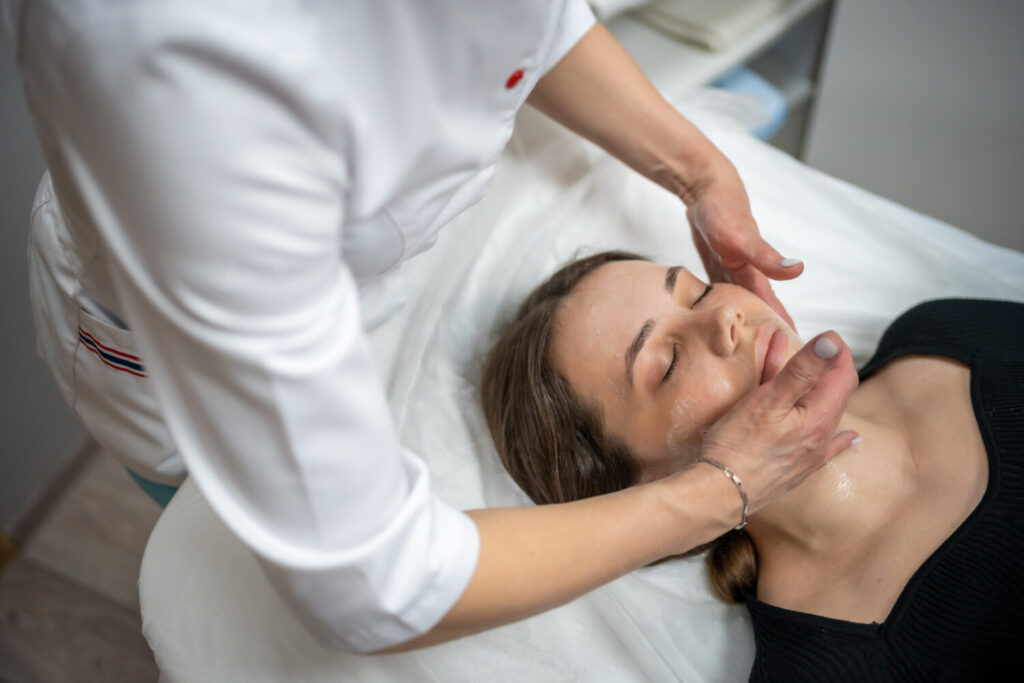
For Stress Relief and Total Body Relaxation
Spa Massage = Your Go-To Reset
Feeling frazzled from work, parenting, or just life? Spa massage is your safe haven.
Perfect for:
Full-body relaxation
Mental and physical stress relief
General tension from daily life
Spa therapists can spend extra time on minor aches, but the main mission here is simple: help you unwind.
For Blended Benefits (Because You Want Both!)
Medical Massage with a Relaxing Vibe = Best of Both Worlds
Here’s the good news: Medical massage doesn’t have to feel clinical. At Medical Massage of Tulsa, we combine outcome-focused therapy with a calming touch.
Pain relief + relaxing atmosphere
Deep work followed by soothing techniques
Custom sessions based on your goals
Many clients alternate between medical massage during “problem periods” and spa massage when they just want to relax. Smart move.
Tulsa-Specific Tips: What Locals Should Know
In Tulsa, you’ve got options. Here’s how locals make the most of both:
Busy pros with stiff necks/back: Try spa first for quick relief. If it lingers, switch to medical massage.
Athletes (Route 66 runners, weekend warriors): Use medical massage in-season for performance + injury prevention, spa massage off-season for recovery.
Under a doctor’s care (St. John, St. Francis patients): If your doc says “massage,” they usually mean medical massage for outcomes.
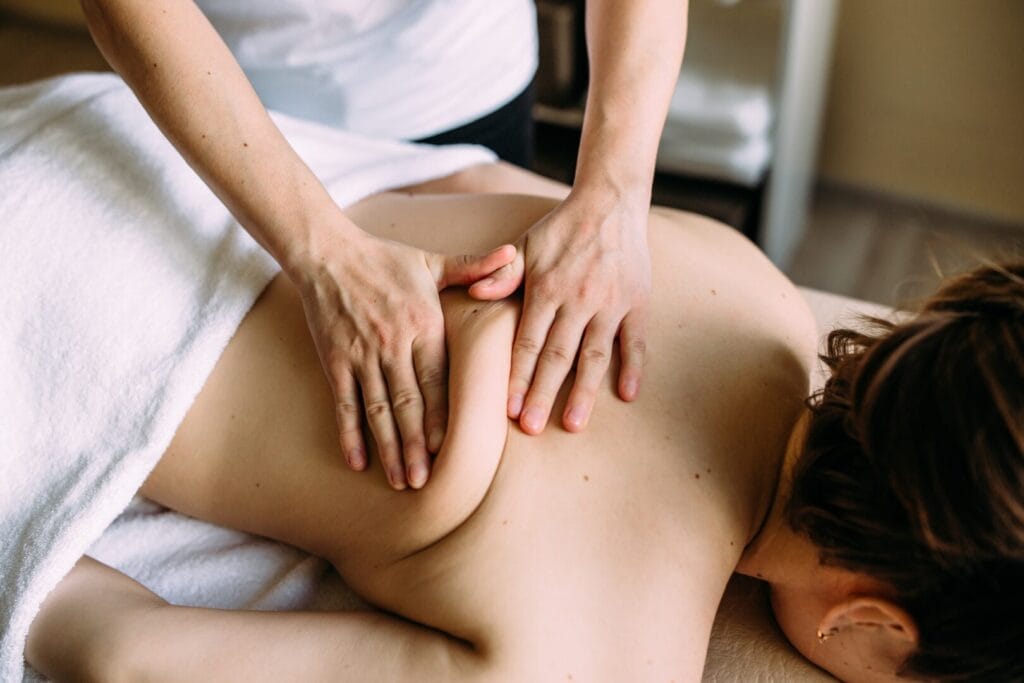
Making the Right Choice: Spa Massage or Medical Massage?
It’s Not Either-Or. It’s About What You Need.
Choosing between a spa massage and a medical massage isn’t about which is “better” — it’s about which is right for you, right now. Once you understand the key differences (the why, who, how, and what), the decision becomes clearer.
Ask Yourself:
Are you here to unwind and melt away daily stress? → Spa massage has your back.
Are you here to tackle pain, injury, or functional issues? → Medical massage is your powerhouse partner.
Simple as that.
Clinical Doesn’t Mean Cold
Even at Medical Massage of Tulsa, where sessions are designed to achieve specific health outcomes, your comfort is always front and center. Sure, we’re focused on reducing pain and improving movement—but you’ll still leave feeling cared for and relaxed.
Outcome-focused and calming? Yes, you can have both.
Tulsa: A City That Supports Your Choice
Good news: Massage is mainstream now. Doctors recommend it. Insurance may help cover it, (Not covered a lot of the time). Wellness-minded Tulsans are embracing massage therapy more than ever—whether to:
Manage chronic pain
Recover from injury
De-stress and recharge
In Tulsa, you have options that make massage part of your everyday health toolkit, not just a once-a-year splurge.
Talk to a Medical Massage Pro (We’re Here for That)
Not sure which type of massage fits? No problem. Consultations are part of ethical, professional care. A good therapist will help you decide if:
Medical massage is appropriate for your condition
A spa massage could meet your needs
No overselling. No pressure. Just honest advice rooted in what’s best for you.
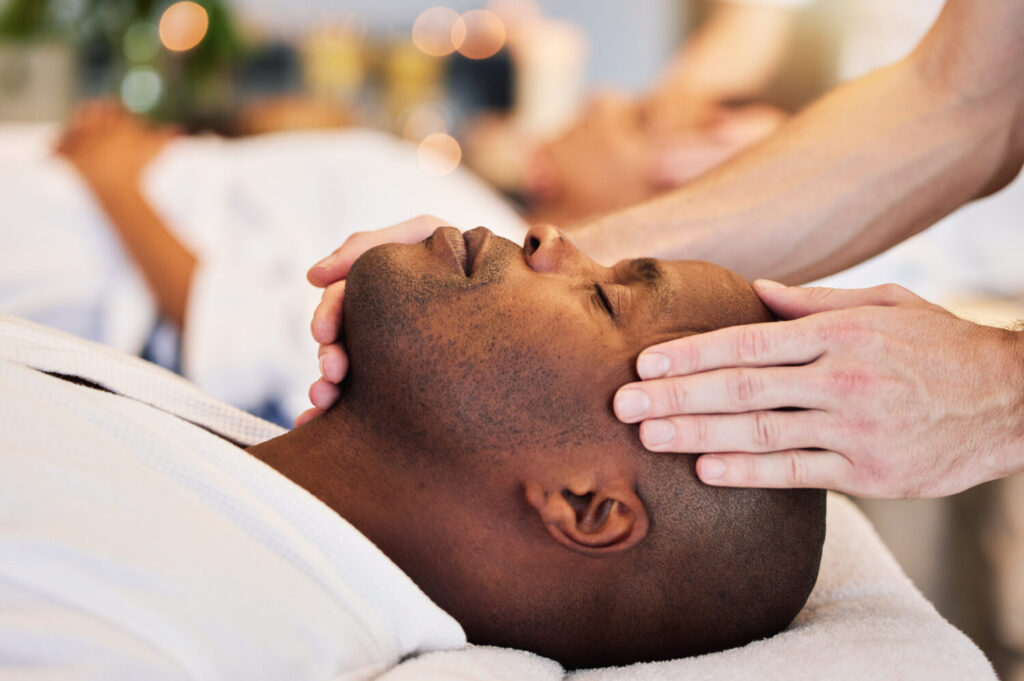
Your Perfect Massage is Waiting
Whether your next session means melting into bliss at a spa or working out nagging issues in a clinic, remember this:
Relief is real—and so is your right to feel good.
Try both approaches if you’re unsure. Compare how you feel. You might find that you rotate between the two based on your body’s needs and your wellness goals.
For those ready to tackle pain, improve mobility, and enjoy real, lasting change? Medical Massage of Tulsa is here to help you start that journey.
Tulsa gives you the power of choice. Use it. Your body will thank you—whether with a sigh of contentment or a pain-free day (or both).
Make an Appointment!
Contact info
"*" indicates required fields